Lymphovascular Anastomosis
Patients undergoing an axillary lymph node clearance as part of breast cancer treatment have an increased risk of developing lymphoedema of the arm. Lymphoedema occurs when removal of the lymph nodes disrupts the tiny lymphatic channels that normally drain fluid from the arm.
A lymphaticovenous anastomosis, or LVA, is a specialised microsurgical procedure that can be performed at the same operation as the axillary clearance and breast reconstruction. It is also known as immediate lymphatic reconstruction or, sometimes, the LYMPHA procedure.

What does the procedure involve?
After the breast surgeon has completed the axillary lymph node clearance, a fluorescent dye is injected into the arm to identify the functioning lymphatic channels that have been divided during surgery.
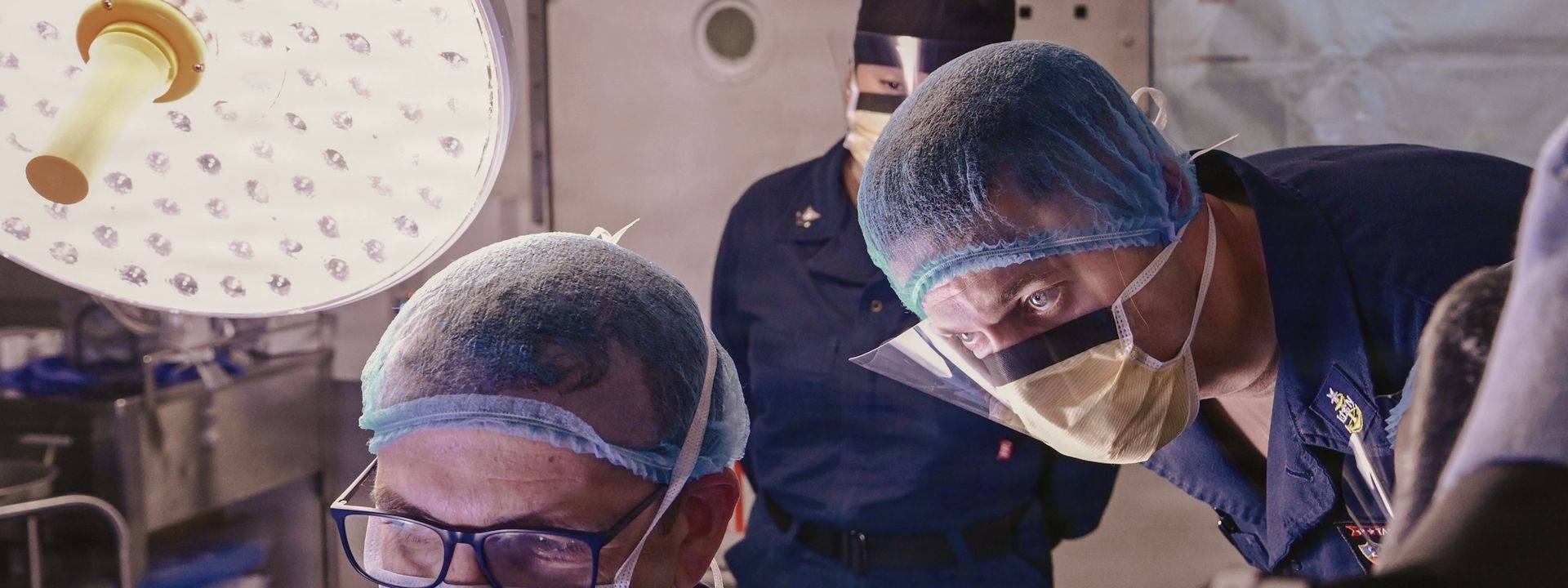
Using a high-powered operating microscope, the plastic surgeon connects these extremely small lymphatic vessels to nearby veins. These connections allow lymphatic fluid from the arm to drain directly into the venous circulation, bypassing the lymph nodes that have been removed.
The procedure is performed through the existing axillary incision, so an additional visible scar is not usually required. It can be combined with either implant-based or autologous breast reconstruction, including DIEP flap reconstruction.
What are the potential benefits?
The purpose of LVA is to reduce—not completely eliminate—the risk of developing lymphoedema following an axillary clearance.
The risk of lymphoedema following axillary lymph node clearance is commonly estimated to be approximately 20–25%, although the individual risk varies. Radiotherapy to the axilla, a higher body mass index, infection and the extent of lymph-node surgery may increase this risk.
Current research suggests that immediate lymphatic reconstruction can substantially reduce the likelihood of lymphoedema. A recent meta-analysis reported lymphoedema in approximately 8% of patients undergoing immediate lymphatic reconstruction, compared with approximately 21% following axillary clearance alone. However, studies use different definitions and follow-up periods, and longer-term evidence is still developing.
Can the procedure always be completed?
It is not always possible to perform an LVA successfully. Occasionally, suitable lymphatic vessels or veins cannot be identified, or the vessels may be too small or damaged to make a reliable connection. This can only be determined during the operation.
Even when the procedure is successfully completed, lymphoedema may still develop. LVA should therefore be viewed as a risk-reduction procedure rather than a guarantee that lymphoedema will be prevented.
Risks and limitations
The additional risks associated with LVA are generally small and may include:
- An allergic reaction to the dye used to identify the lymphatic vessels. This is uncommon and is reported in approximately 1 in 100 patients.
- Temporary staining of the skin from the dye, which may remain visible for several weeks or months.
- Failure to identify suitable lymphatic vessels or veins.
- Failure or later blockage of one or more of the microsurgical connections.
- Continued development of lymphoedema despite successful surgery.
- A small potential increase in operating time.
The usual risks associated with breast reconstruction and axillary lymph node clearance—including bleeding, infection, seroma, delayed wound healing and shoulder stiffness—remain unchanged.
Recovery
LVA does not impact your recovery. Your overall recovery will be determined mainly by the type of breast reconstruction and the axillary clearance.
You will be given instructions about shoulder movement, lifting and physiotherapy. Patients are commonly advised to avoid lifting the arm sideways above shoulder height for the first two weeks and to avoid heavy lifting for approximately six weeks, although instructions may vary according to the reconstruction performed.
Your arm may be measured before and after surgery so that any change can be identified at an early stage. You should report persistent swelling, heaviness, tightness, discomfort or recurrent skin infections to your breast or lymphoedema team.
Is LVA suitable for everyone?
LVA may be considered for patients undergoing a full axillary lymph node clearance, particularly when postoperative radiotherapy or other factors increase the risk of lymphoedema. It is not normally required for a sentinel lymph node biopsy alone, where the risk of lymphoedema is considerably lower.
Suitability will be discussed by the breast and reconstructive surgery teams. The procedure requires specialist supermicrosurgical expertise and is not currently available in every breast reconstruction centre.
Before & After
Coming soon
Before-and-after photographs are shared only with each patient’s consent. Examples will be added here in due course — in the meantime, Dr Borges is happy to discuss expected results at your consultation.
LVA is performed through one or more very small incisions, typically only a few centimetres long, over the identified lymphatic-venous connection points on the arm. These heal to leave fine, discreet scars that fade well over time.
LVA performed for breast cancer-related lymphoedema is typically eligible for NHS funding and is recognised by most private medical insurers as a reconstructive procedure. Costs for private treatment vary depending on individual circumstances and whether it is combined with other surgery, and will be discussed and quoted following your consultation.
Book a ConsultationLocations
Consultations and surgery take place at accredited hospitals and clinics across Kent and London, with consultations available in English, Portuguese and Spanish.


Nuffield Health Tunbridge Wells Hospital
Kingswood Road, Tunbridge Wells, Kent, TN2 4UL
Google Map →
Wells Health, Fordcombe Hospital
Fordcombe Road, Fordcombe, Tunbridge Wells, Kent, TN3 0RD
Google Map →Wells Health, Tunbridge Wells Hospital
Tonbridge Road, Pembury, Tunbridge Wells, Kent, TN2 4QJ
Google Map →Get in Touch
To arrange an initial consultation, call [Phone – TBD], email [Email – TBD], or leave your details below.
Your information stays private and is only used to respond to your enquiry. If you’re asking about treatment, we may follow up with a few extra questions to make sure we can help. Full details are in our Privacy Policy.