Flap Neurotisation
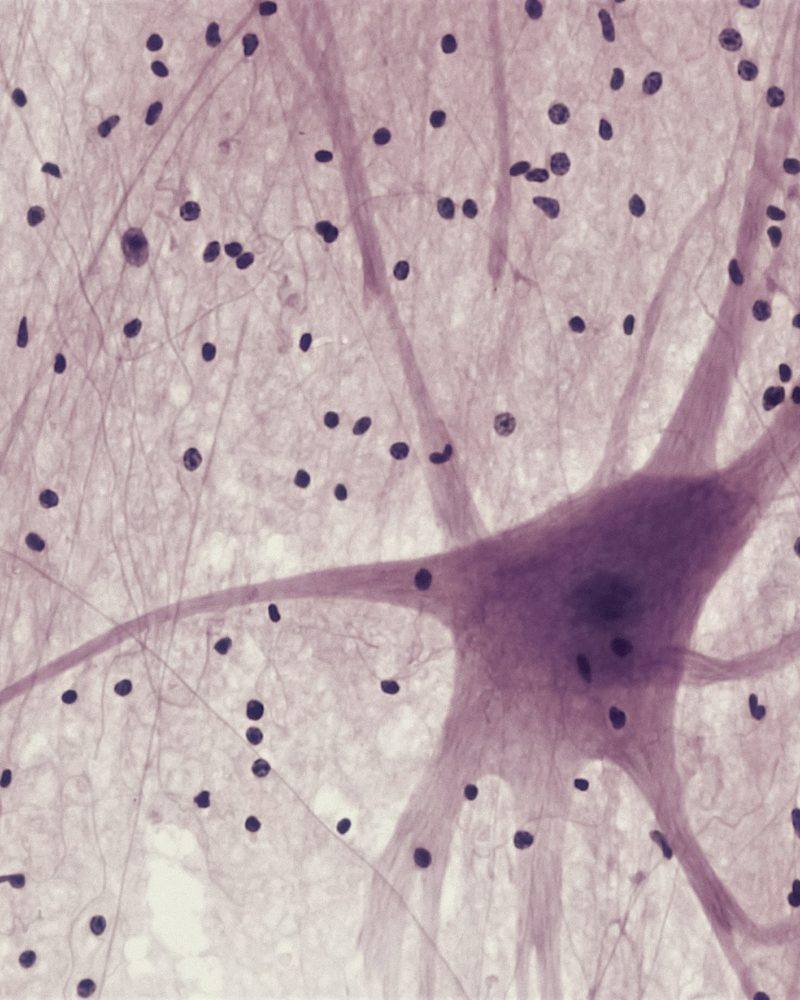
While a DIEP flap successfully restores the shape of the breast, sensation is often reduced following mastectomy because the sensory nerves have been divided during cancer surgery. Neurotisation is an advanced microsurgical technique that aims to restore feeling by connecting a sensory nerve within the DIEP flap to a sensory nerve in the chest.
The goal is to encourage nerve regeneration into the reconstructed breast, improving the return of sensation over time. While sensation cannot be guaranteed, many patients experience improved protective sensation and, in some cases, a greater degree of light touch and temperature perception compared with non-neurotised reconstructions.
My Approach
I assess every patient individually to determine whether neurotisation is appropriate and technically feasible. The decision is based on the quality and location of the available nerves, the type of reconstruction being performed and, most importantly, whether the nerve repair can be carried out safely.
My priority is always the success and reliability of the breast reconstruction. I will only perform neurotisation when it can be achieved without compromising the blood supply to the flap, increasing operative risk, or affecting the overall reconstructive outcome. If I believe that nerve reconstruction may jeopardise the safety or reliability of the flap, I will not proceed.
Why Does Sensation Matter?
Although a reconstructed breast will never feel exactly the same as before a mastectomy, restoring sensation can be an important part of recovery. Improved protective sensation may help patients detect pressure, heat, cold and minor injury, making the reconstructed breast safer in everyday life. Many women also report that the gradual return of sensation enhances their sense of body awareness and contributes to feeling more connected to their reconstruction.
As reconstructive microsurgery continues to evolve, neurotisation represents an exciting development that may further improve both the functional and emotional outcomes of autologous breast reconstruction.
Neurotisation is performed as an additional step within your DIEP, TUG or PAP flap surgery, under the same anaesthetic – it is not a separate operation.
Nerve Identification in the Flap
During the flap harvest, I identify a suitable sensory nerve within the donor tissue that can be preserved for reconstruction.
Nerve Identification in the Chest
A corresponding sensory nerve in the chest wall (typically an intercostal sensory nerve) is identified as the recipient nerve.
Microsurgical Nerve Repair
The two nerve ends are carefully coapted (joined) under the operating microscope, using the same meticulous microsurgical technique as the blood vessel connections.
Integration into Your Reconstruction
The nerve repair is incorporated into the flap surgery as it is shaped and secured, without altering the overall plan for your breast reconstruction.
Who is it for?
Flap neurotisation may be suitable for you if:
You are undergoing DIEP, TUG or PAP flap breast reconstruction and would like sensation restoration considered as part of your surgery.
Suitable donor and recipient nerves are identified and confirmed to be usable during your assessment and surgery.
Nerve repair can be performed without compromising the blood supply, safety or reliability of your flap.
You understand that a return of sensation is gradual and cannot be guaranteed, and that results vary between patients.
You are comfortable that, if I judge nerve repair may increase risk to your reconstruction, I will not proceed with it.
Before & After
Coming soon
Before-and-after photographs are shared only with each patient’s consent. Examples will be added here in due course — in the meantime, Dr Borges is happy to discuss expected results at your consultation.
Neurotisation does not add any visible scarring beyond that of your primary flap reconstruction, as the nerve repair is performed through the same surgical access used to harvest and inset the flap.
What to expect
Recovery follows the same course as your DIEP, TUG or PAP flap reconstruction. Sensation itself returns gradually and separately from wound healing.
In Hospital and First 2 Weeks
Your recovery follows the same pathway as your primary flap surgery. The area is usually numb initially, which is expected and not a sign that the nerve repair has failed.
First Few Months
Nerve regeneration is a slow process. It is normal for the breast to remain largely numb during this period while the repaired nerve gradually grows into the flap.
6–18 Months
Many patients begin to notice the earliest return of protective sensation – awareness of pressure, heat or cold – during this window, though timing varies considerably between individuals.
Beyond 18 Months
Sensation, where it returns, tends to continue improving gradually. Some patients go on to experience a degree of light touch sensation, though results are not guaranteed and vary from patient to patient.
Why choose this procedure
Potential benefits of flap neurotisation include:
Improved protective sensation
May help you detect pressure, heat, cold and minor injury, making the reconstructed breast safer in everyday life.
Potential for light touch and temperature perception
Some patients experience a greater degree of sensory return compared with non-neurotised reconstructions.
Greater body awareness
Many women report that the gradual return of sensation enhances their connection to their reconstruction.
No separate procedure required
Performed at the same time as your flap surgery, with no additional hospital stay or anaesthetic.
No additional scarring
Uses the same surgical access as your flap reconstruction.
Reflects the latest in reconstructive microsurgery
An evolving technique that may further improve the functional and emotional outcomes of autologous breast reconstruction.
Risks
Neurotisation carries its own specific considerations in addition to the risks of your primary flap reconstruction (detailed on that procedure's page). These include:
Sensation may not return
Nerve regeneration cannot be guaranteed, and some patients experience little or no improvement in sensation.
Unpredictable timing and degree of recovery
Where sensation does return, the extent and pattern vary considerably between patients and cannot be predicted in advance.
Modest increase in operative time
Adds time to an already lengthy flap procedure, with a small corresponding increase in anaesthetic exposure.
Donor nerve effects
Rarely, using a sensory nerve from the flap or its surrounding tissue may cause minor altered sensation at the donor site.
Neuroma formation
A small, rare risk of a painful nerve ending (neuroma) forming at the repair site.
Not always technically possible
Suitable nerves are not always available or usable, in which case I will not proceed with neurotisation on the day of surgery.
Flap neurotisation is performed as an adjunct to DIEP, TUG or PAP flap breast reconstruction, itself typically NHS-eligible and recognised by most private medical insurers as part of your reconstructive care. Any additional cost for neurotisation will be discussed and included as part of your overall reconstruction quote following consultation.
Book a ConsultationLocations
Consultations and surgery take place at accredited hospitals and clinics across Kent and London, with consultations available in English, Portuguese and Spanish.



Nuffield Health Tunbridge Wells Hospital
Kingswood Road, Tunbridge Wells, Kent, TN2 4UL
Google Map →
Wells Health, Fordcombe Hospital
Fordcombe Road, Fordcombe, Tunbridge Wells, Kent, TN3 0RD
Google Map →Wells Health, Tunbridge Wells Hospital
Tonbridge Road, Pembury, Tunbridge Wells, Kent, TN2 4QJ
Google Map →Get in Touch
To arrange an initial consultation, call [Phone – TBD], email [Email – TBD], or leave your details below.
Your information stays private and is only used to respond to your enquiry. If you’re asking about treatment, we may follow up with a few extra questions to make sure we can help. Full details are in our Privacy Policy.